photography
“Ideas flow abundantly from a source unseen, a quiet place, a mysterious place, a place where you are alone with only the Creator and He shares them with you.”
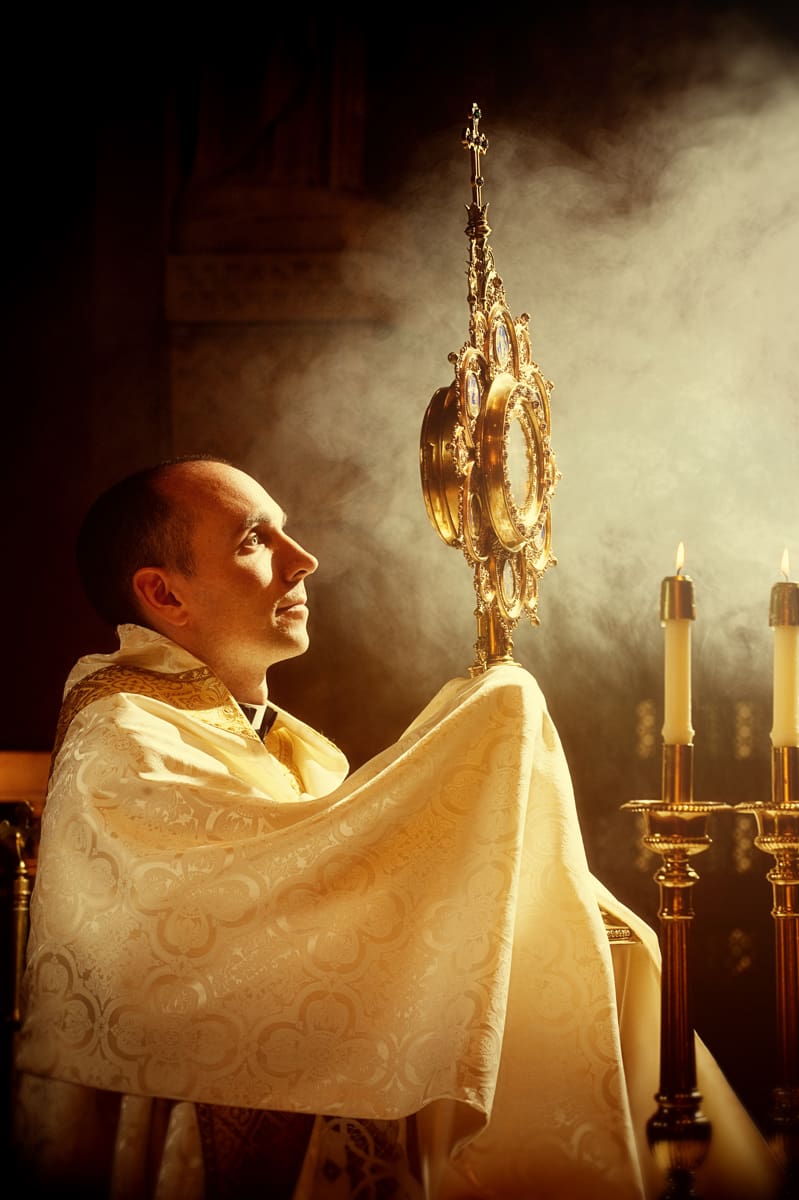
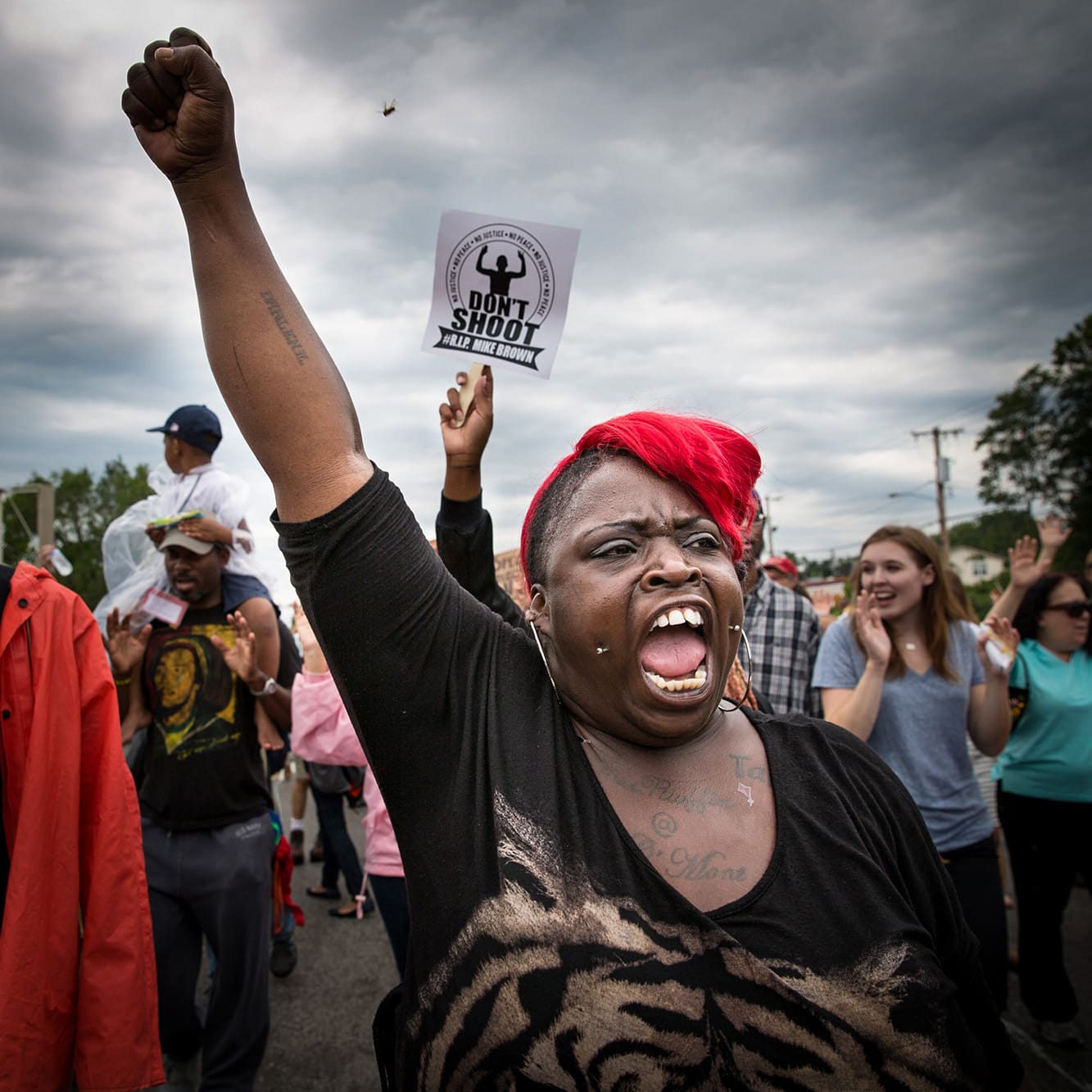
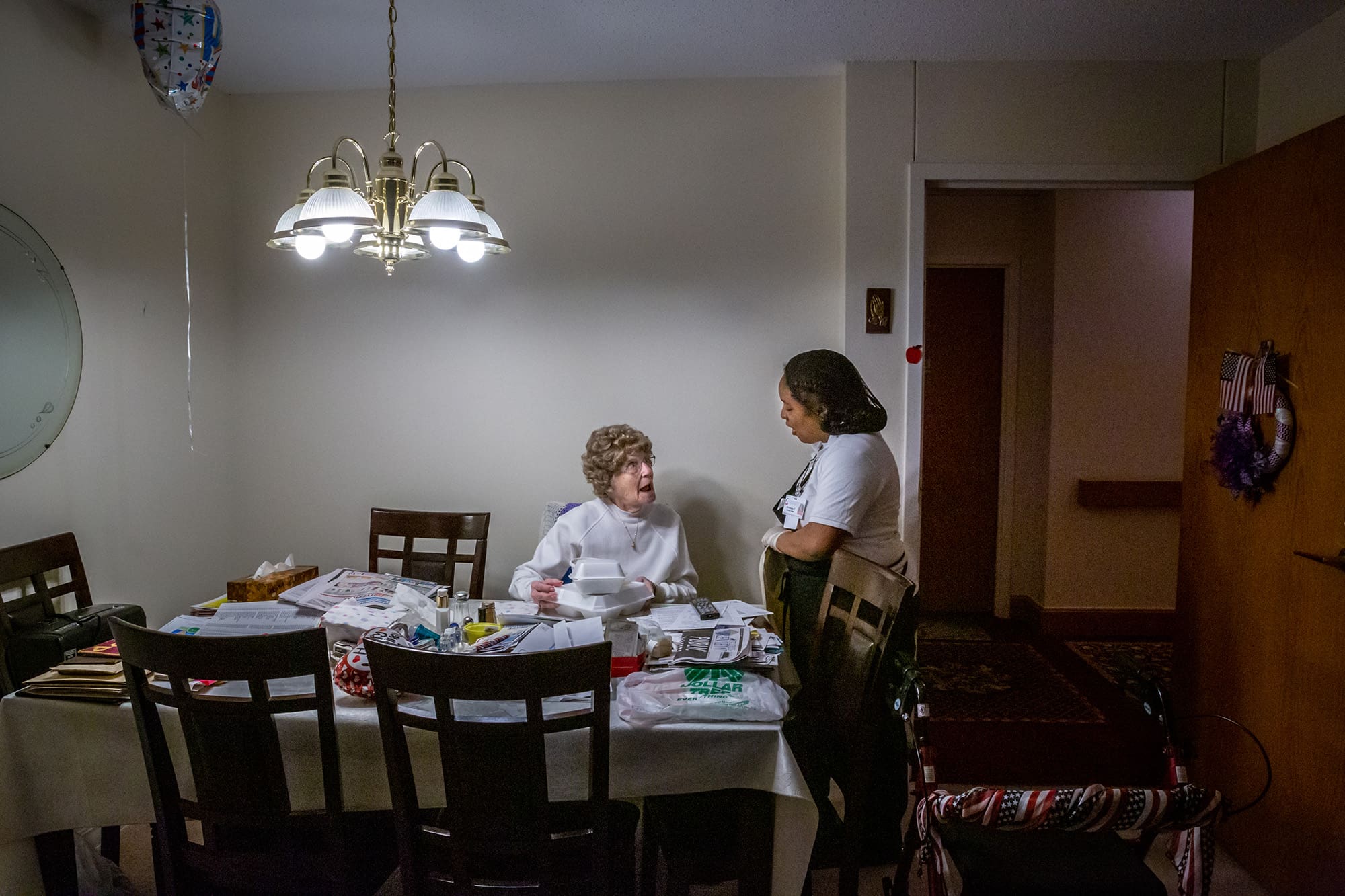
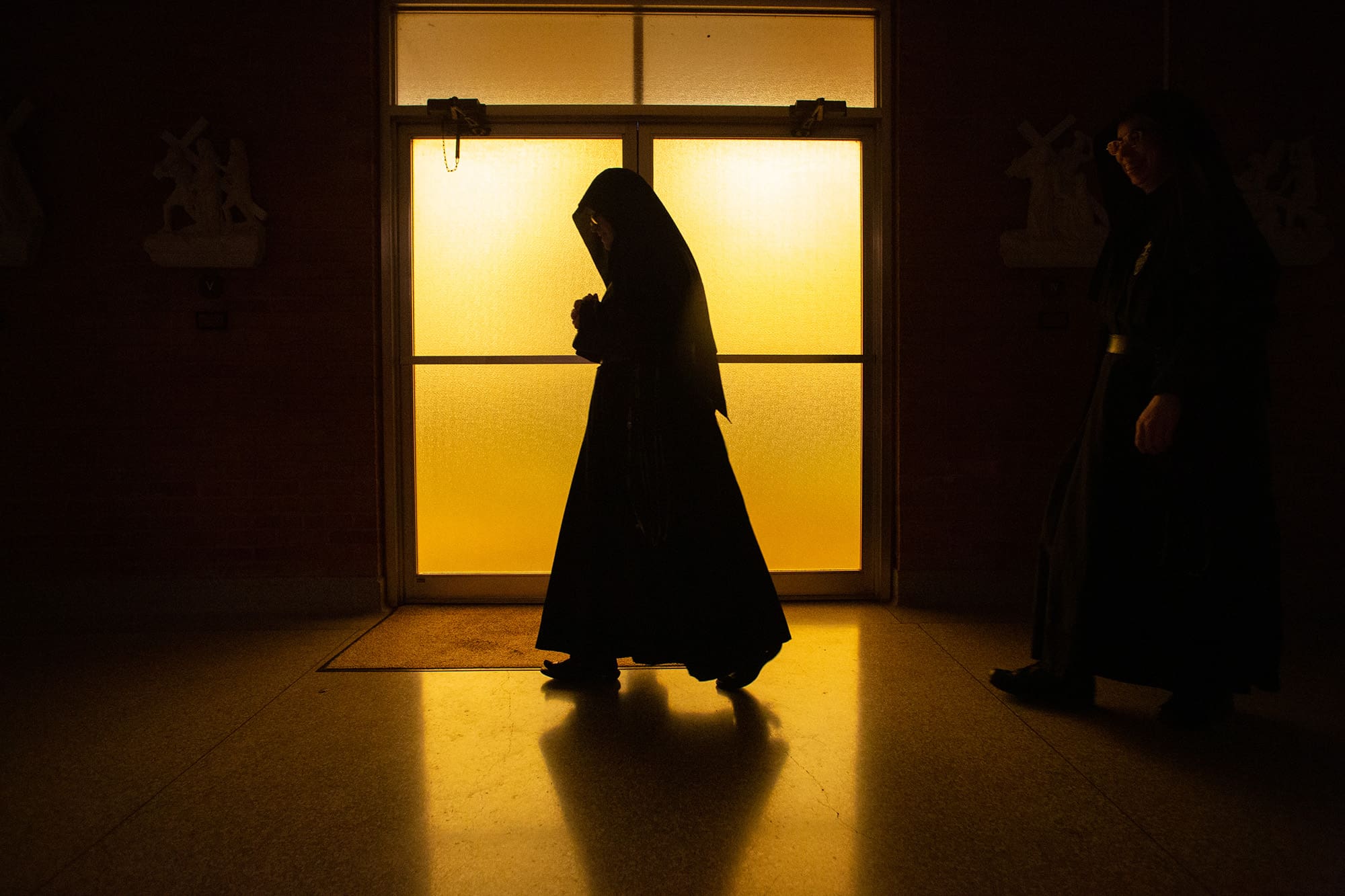
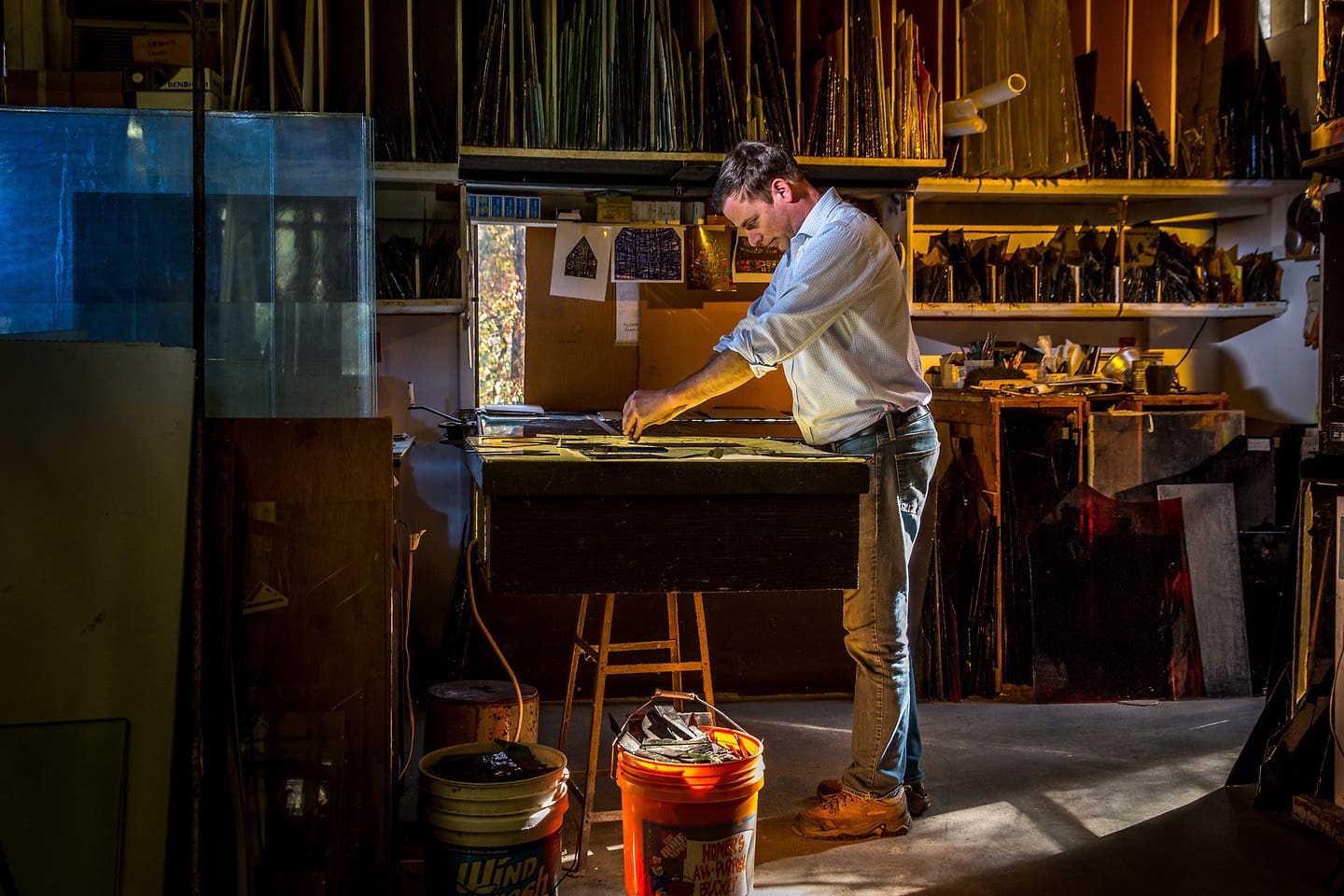
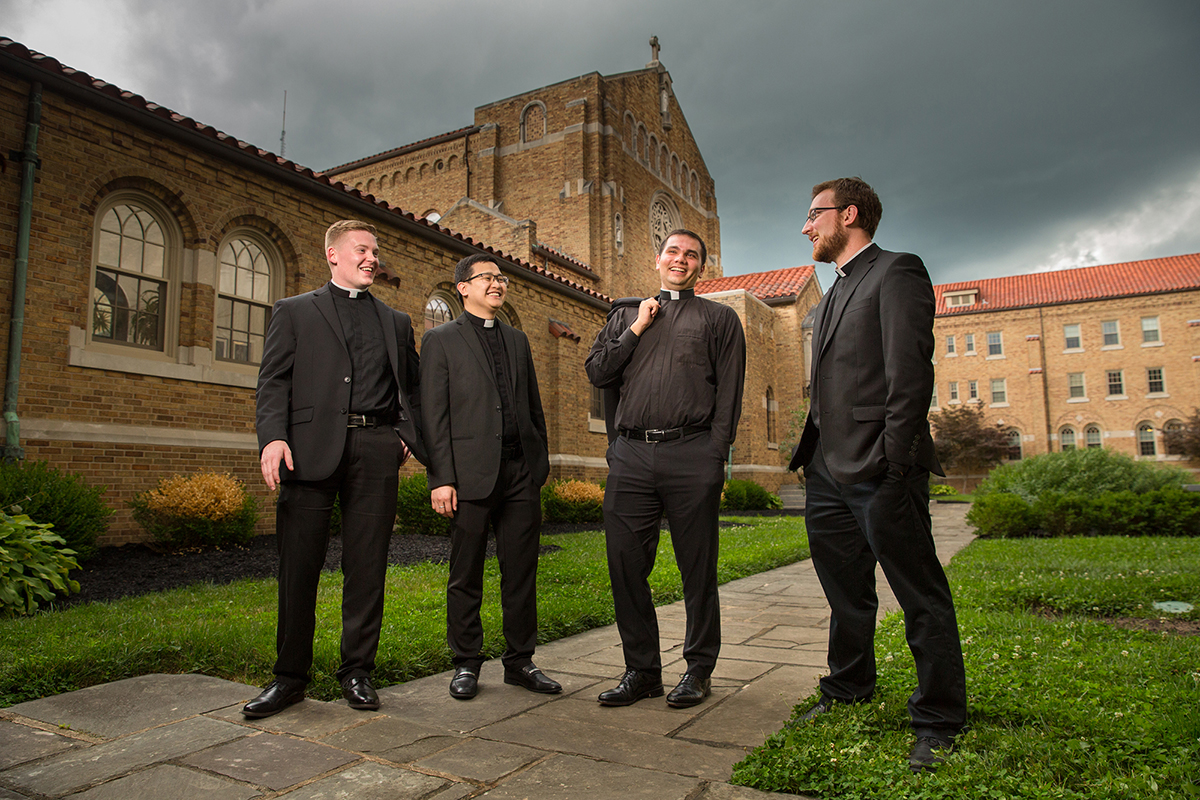
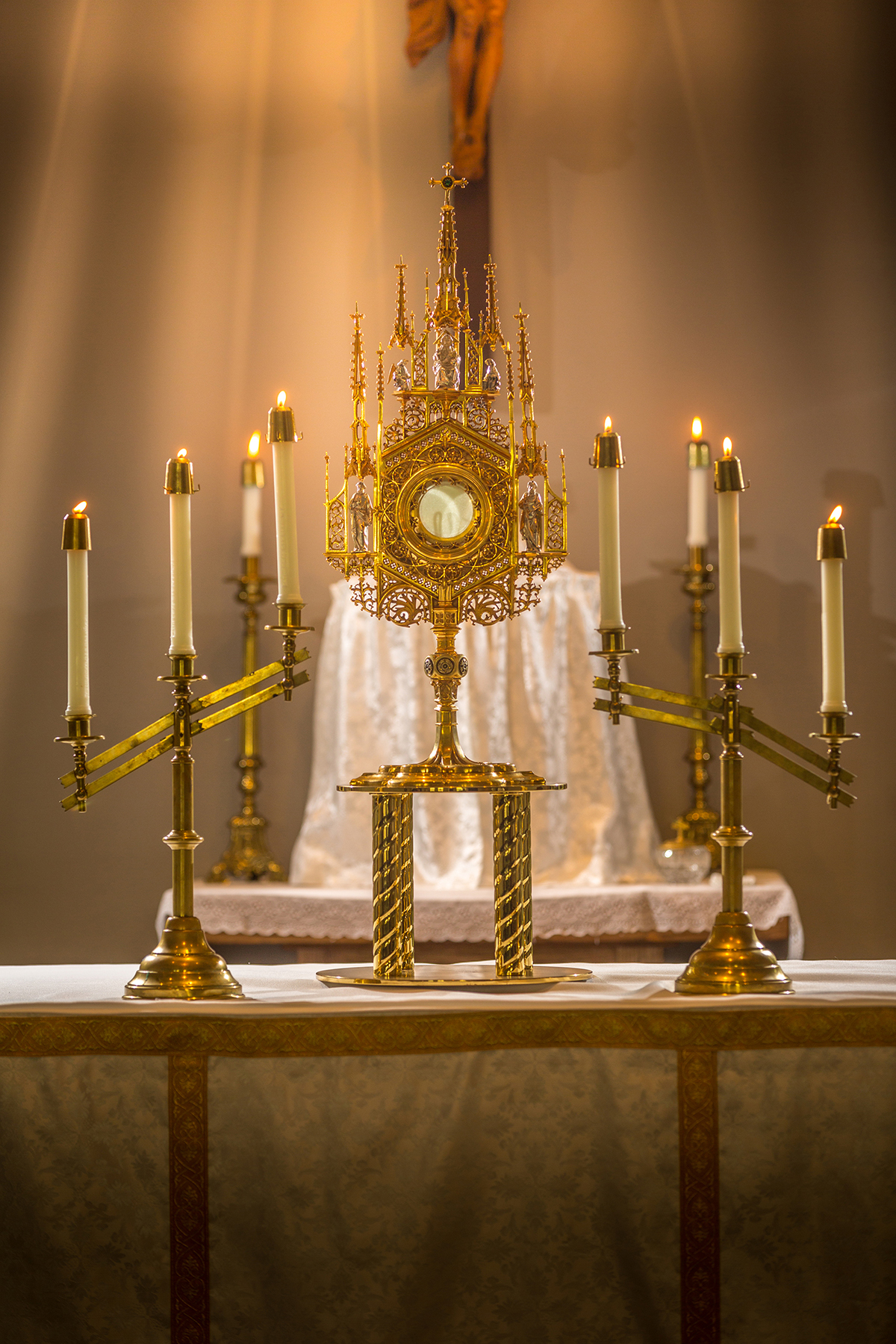
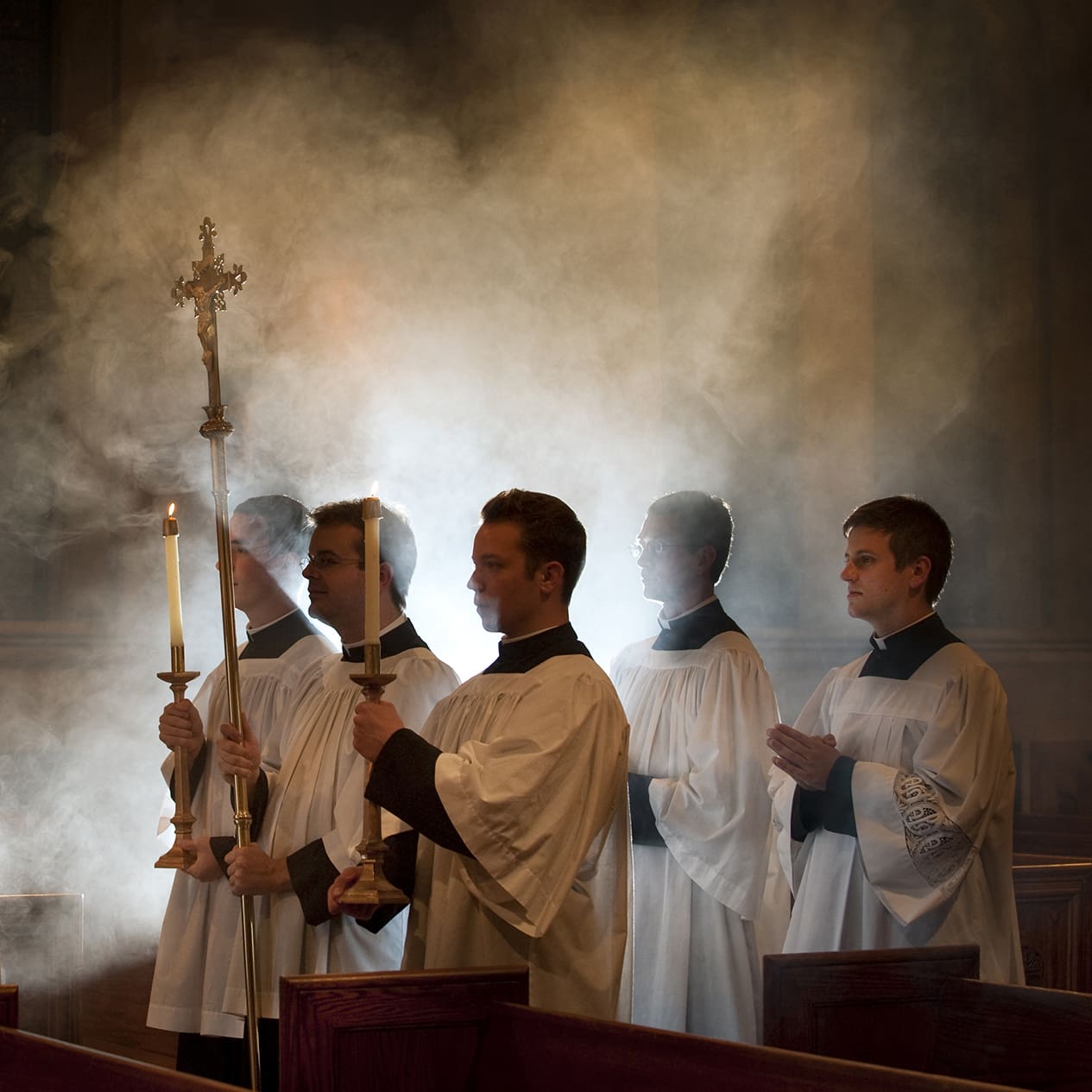
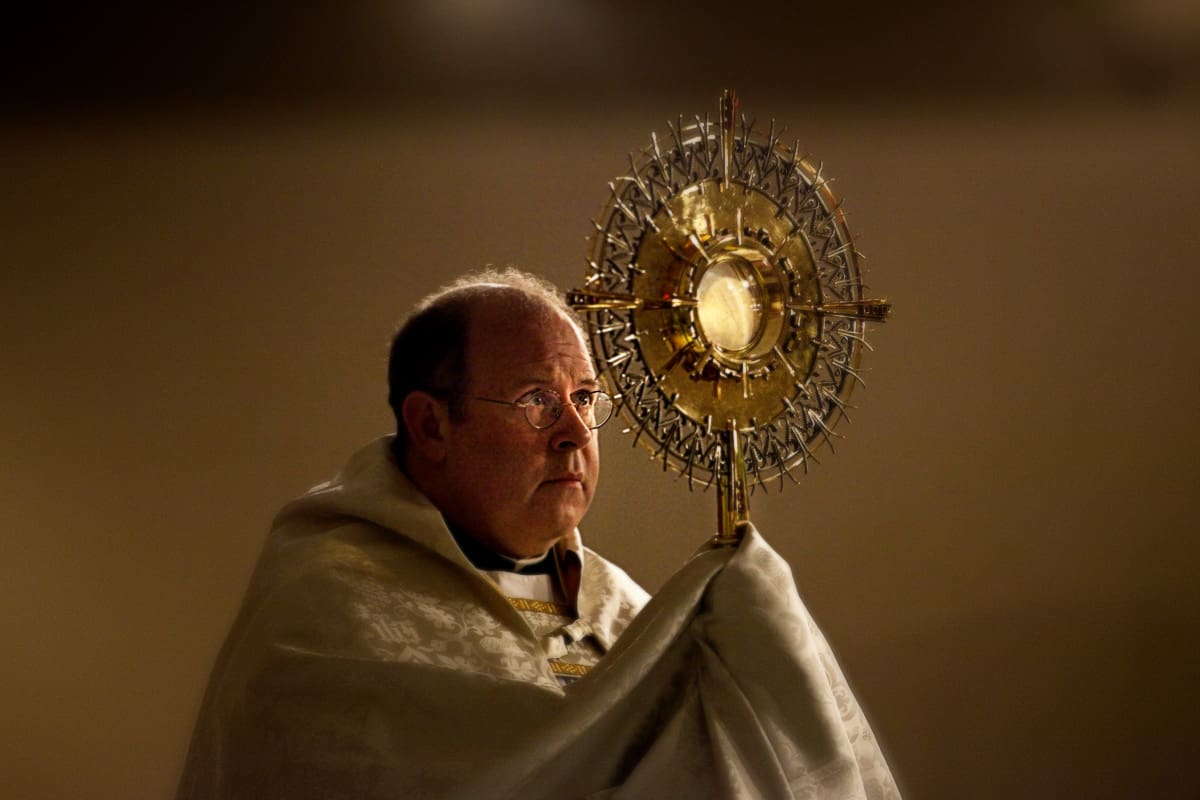
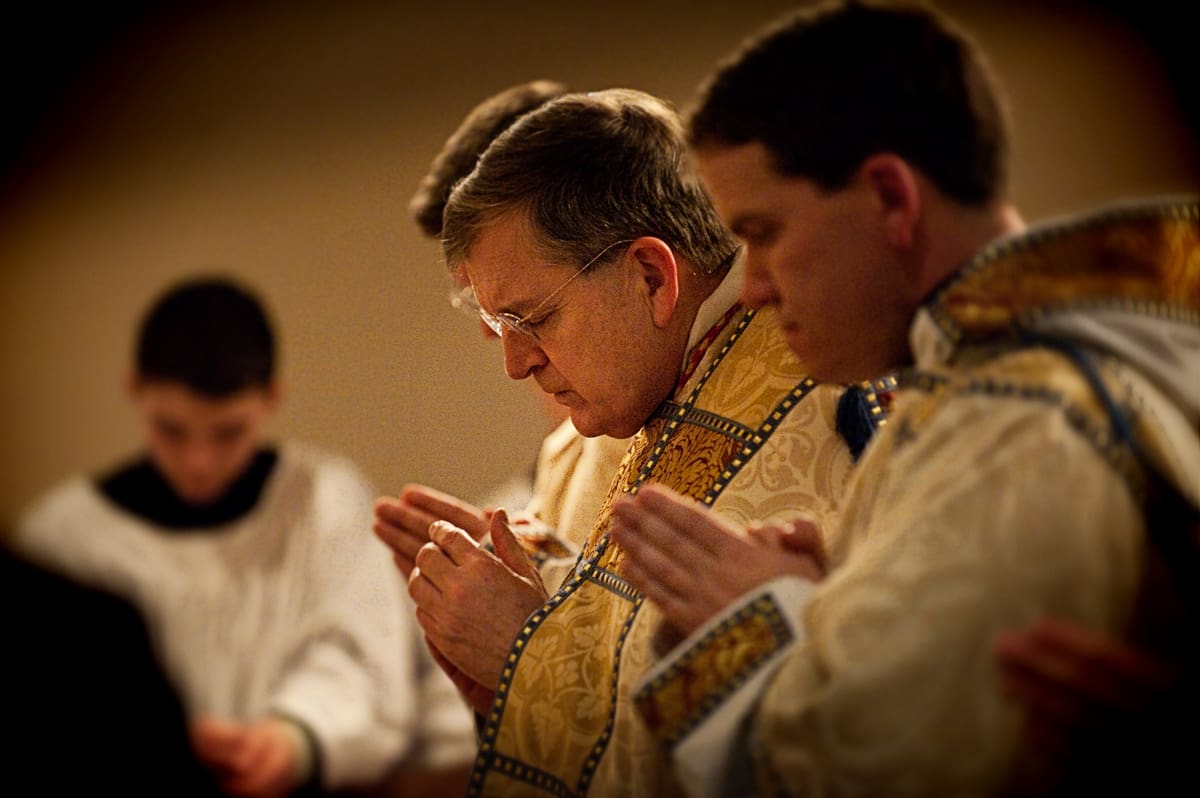
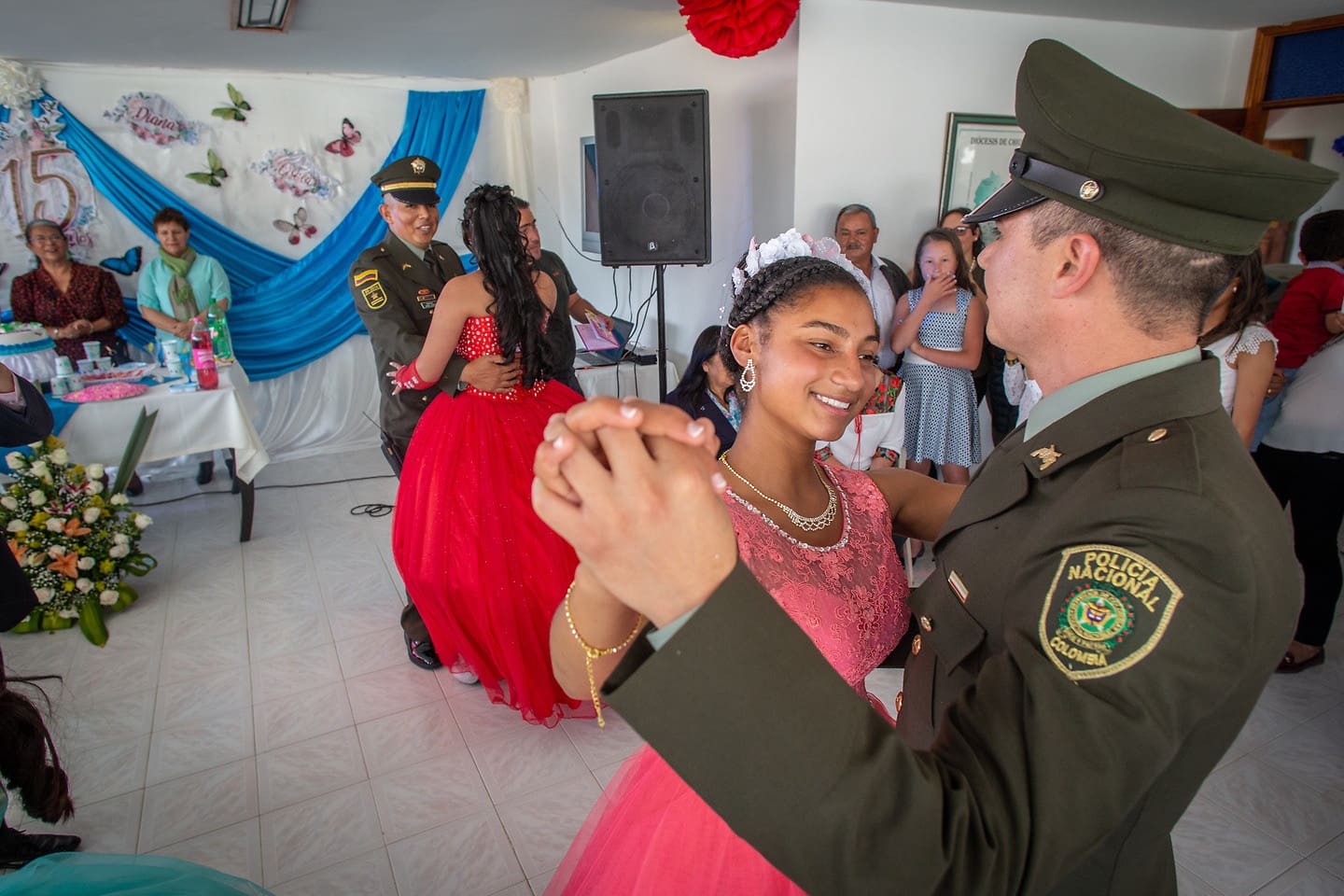
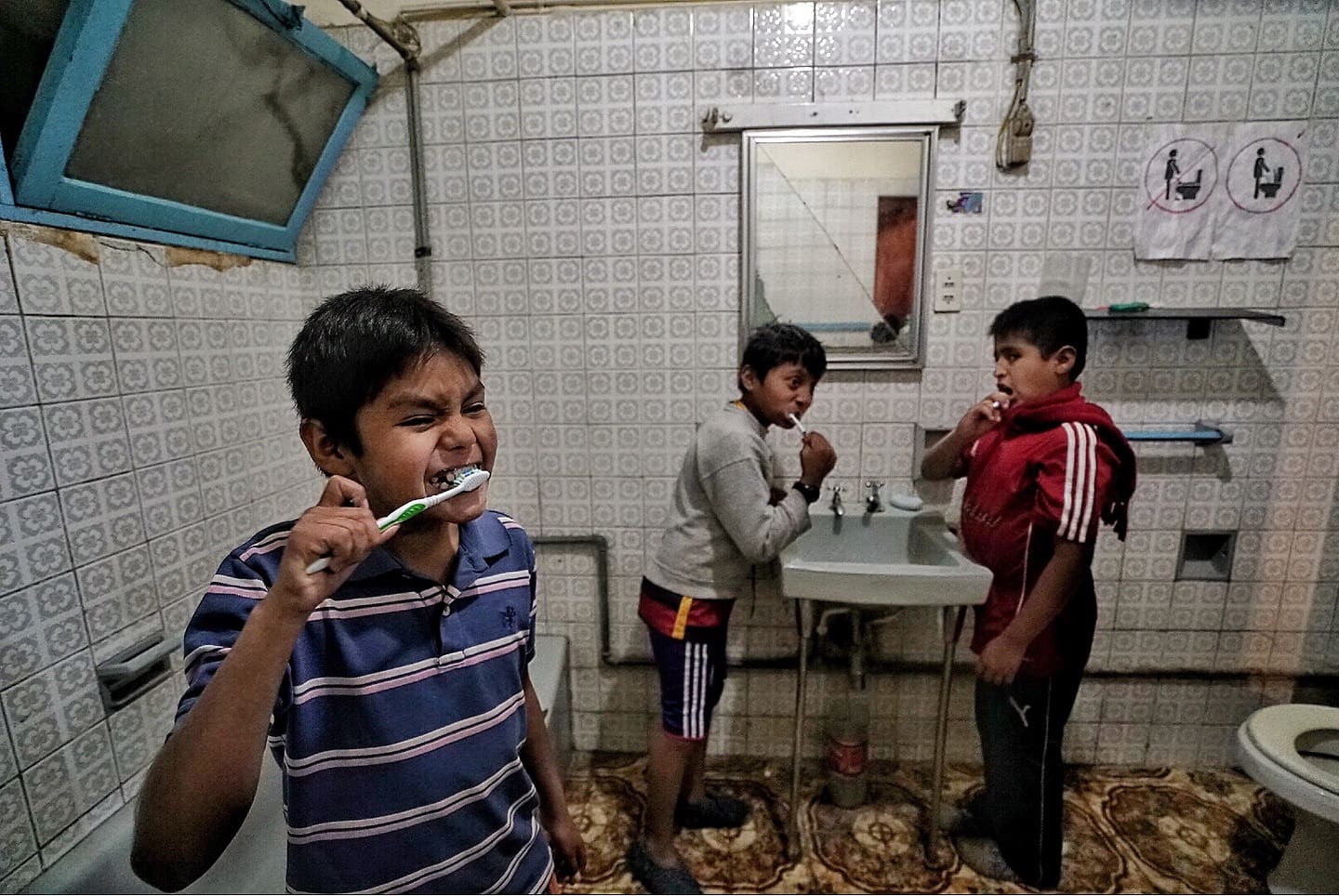
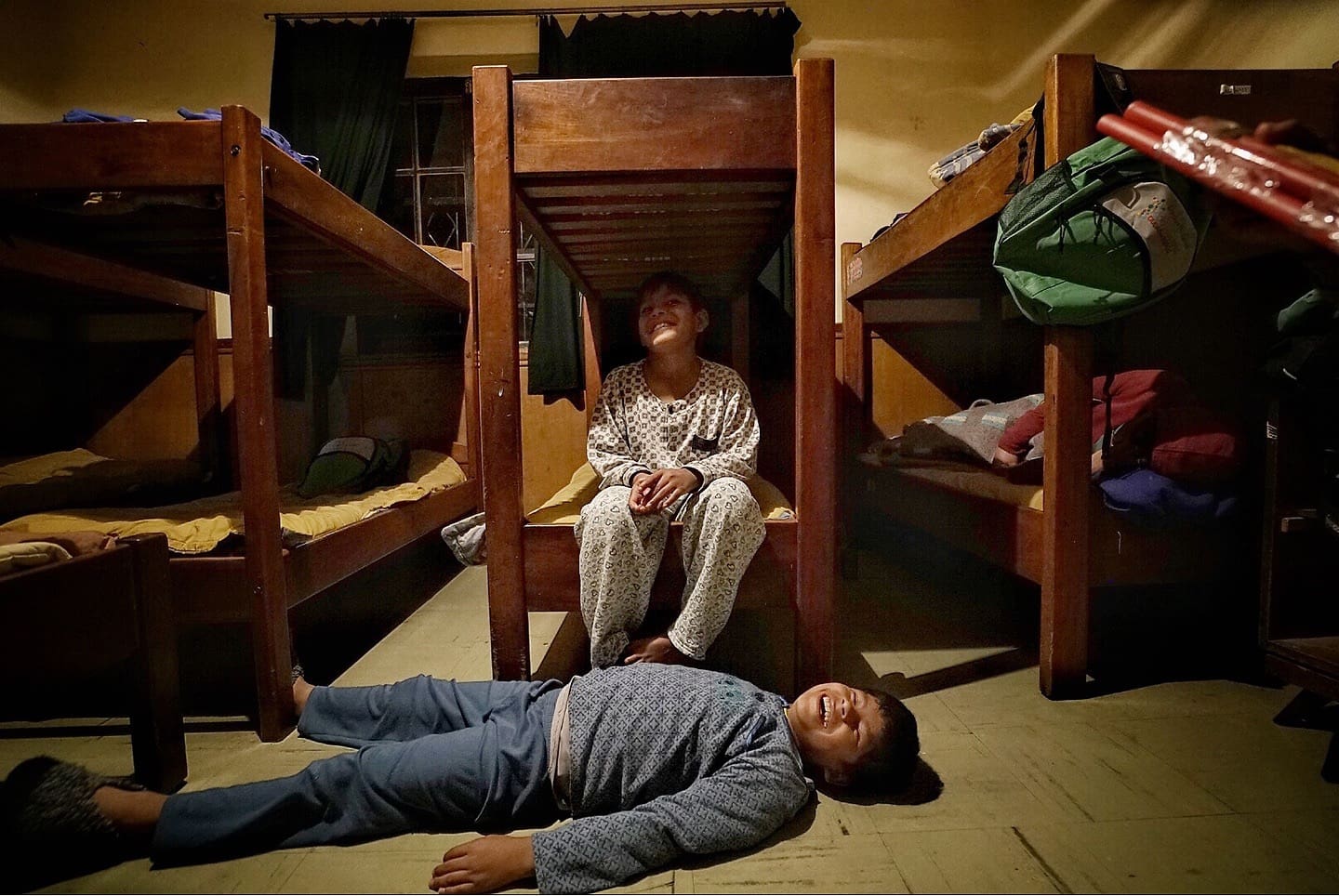
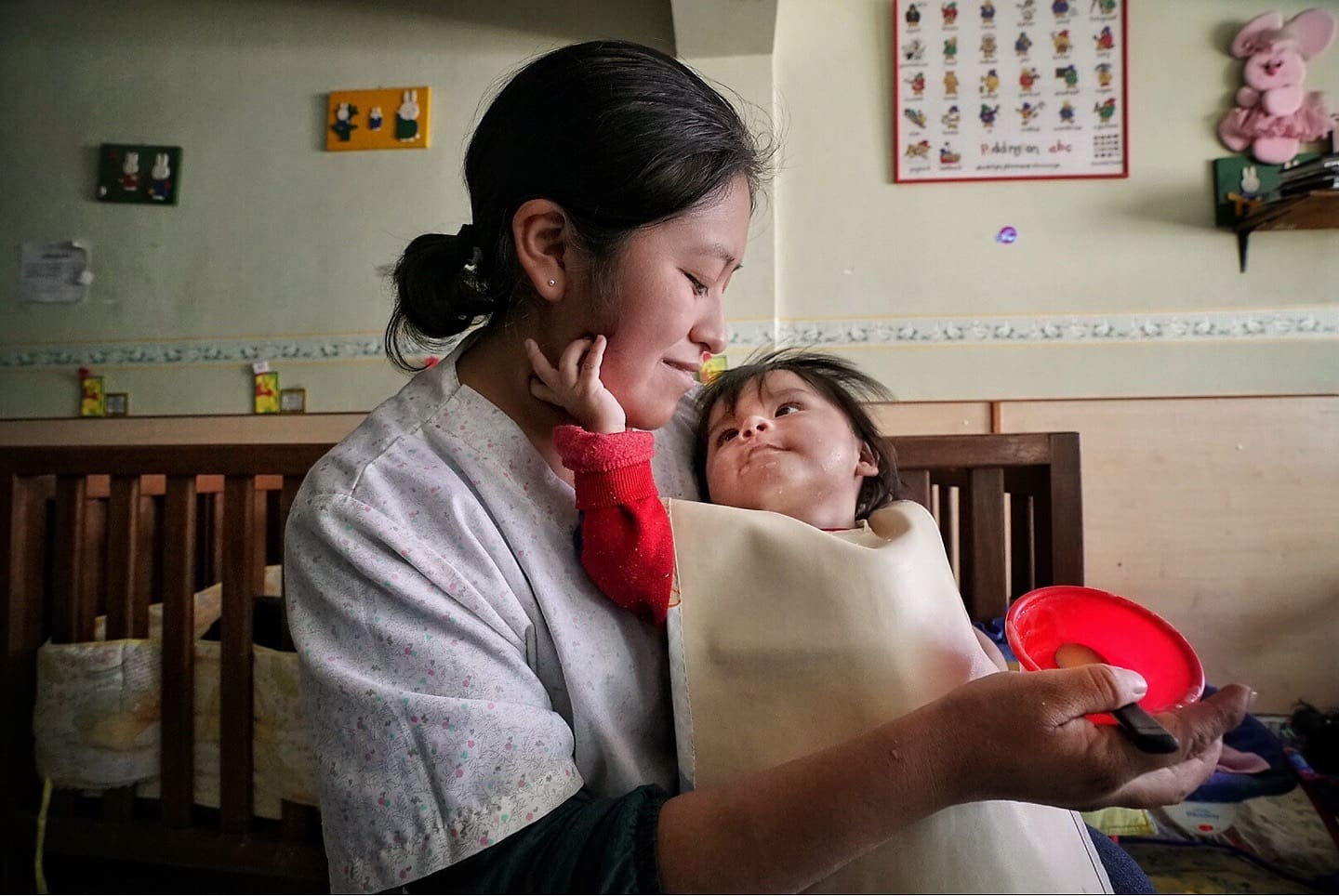
I am an award-winning photojournalist and photographer dedicated to capturing the profound essence of the human experience. Through my lens, I strive to tell compelling visual stories that resonate deeply, combining technical mastery with an empathetic approach.
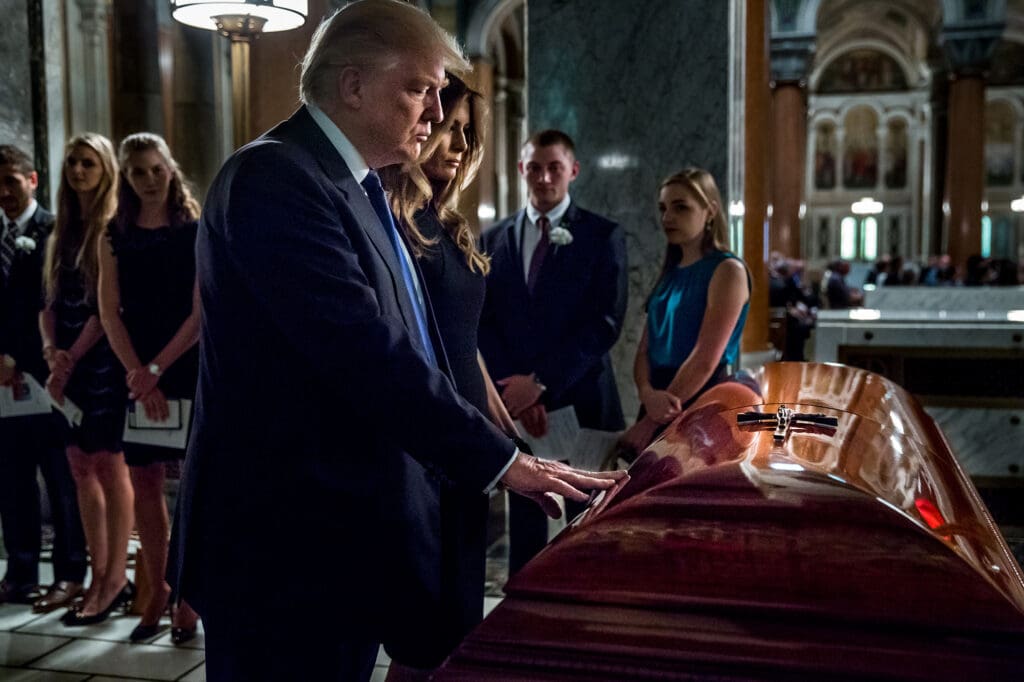
My career has taken me across editorial, commercial, and fine art photography, earning recognition and accolades from numerous industry organizations along the way. As a New Media Journalist for the Archdiocese of St. Louis, I created visual content that reached national and international audiences through Catholic News Services. This role allowed me to blend thorough research, authenticity, and creativity, earning awards for the artistry and impact of my work.
My creative process is rooted in something deeply spiritual: “Ideas flow abundantly from a source unseen, a quiet place, a mysterious place, a place where you are alone with only the Creator and He shares them with you.” This belief guides my approach to photography, allowing me to create work that feels both meaningful and original.
From capturing moments of connection to crafting visual narratives for brands and publications, I see photography as more than just images—it’s about preserving stories that move the heart and soul.

































![Lisa Johnston | lisajohnston@archstl.org | Twitter: @aeternusphoto
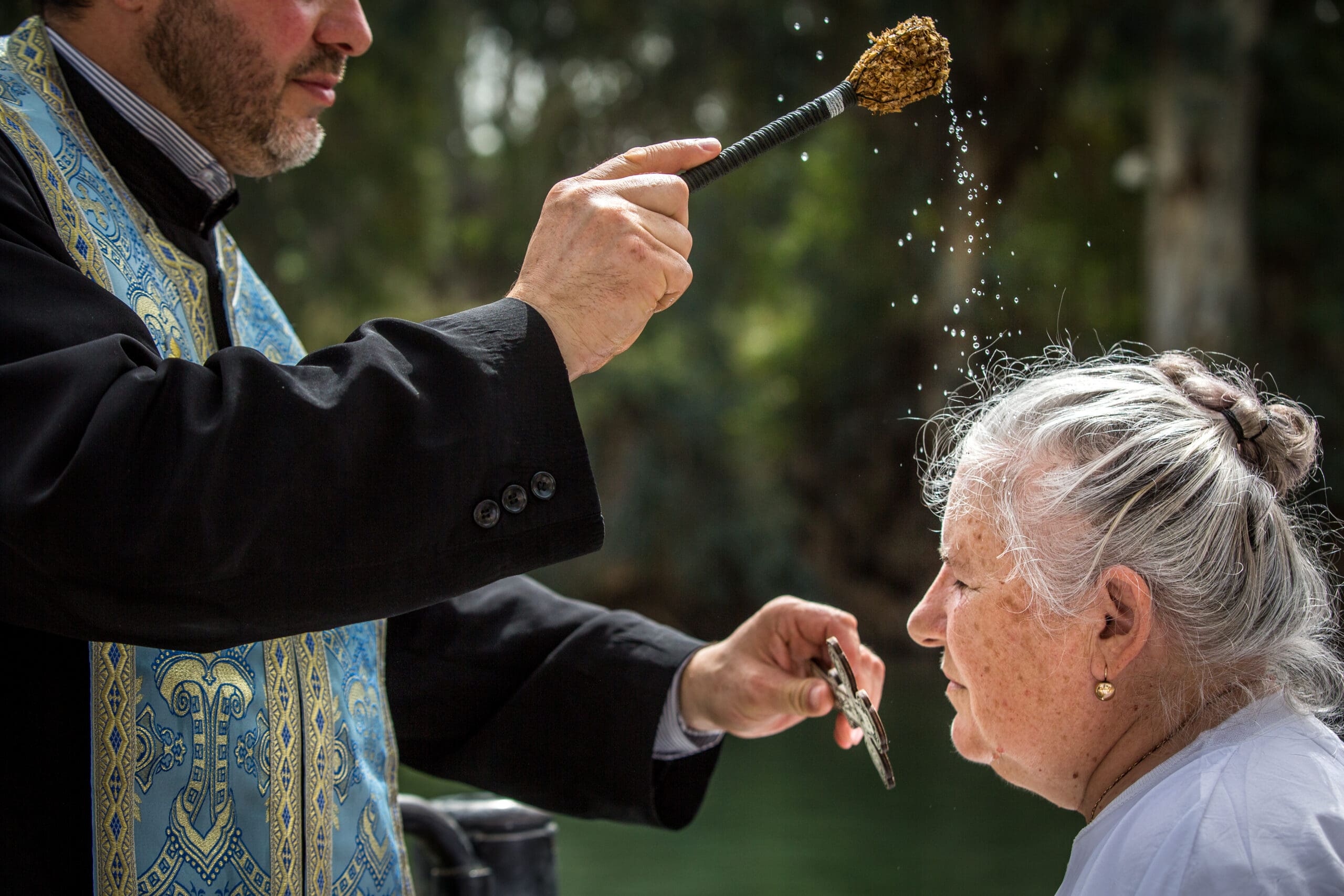
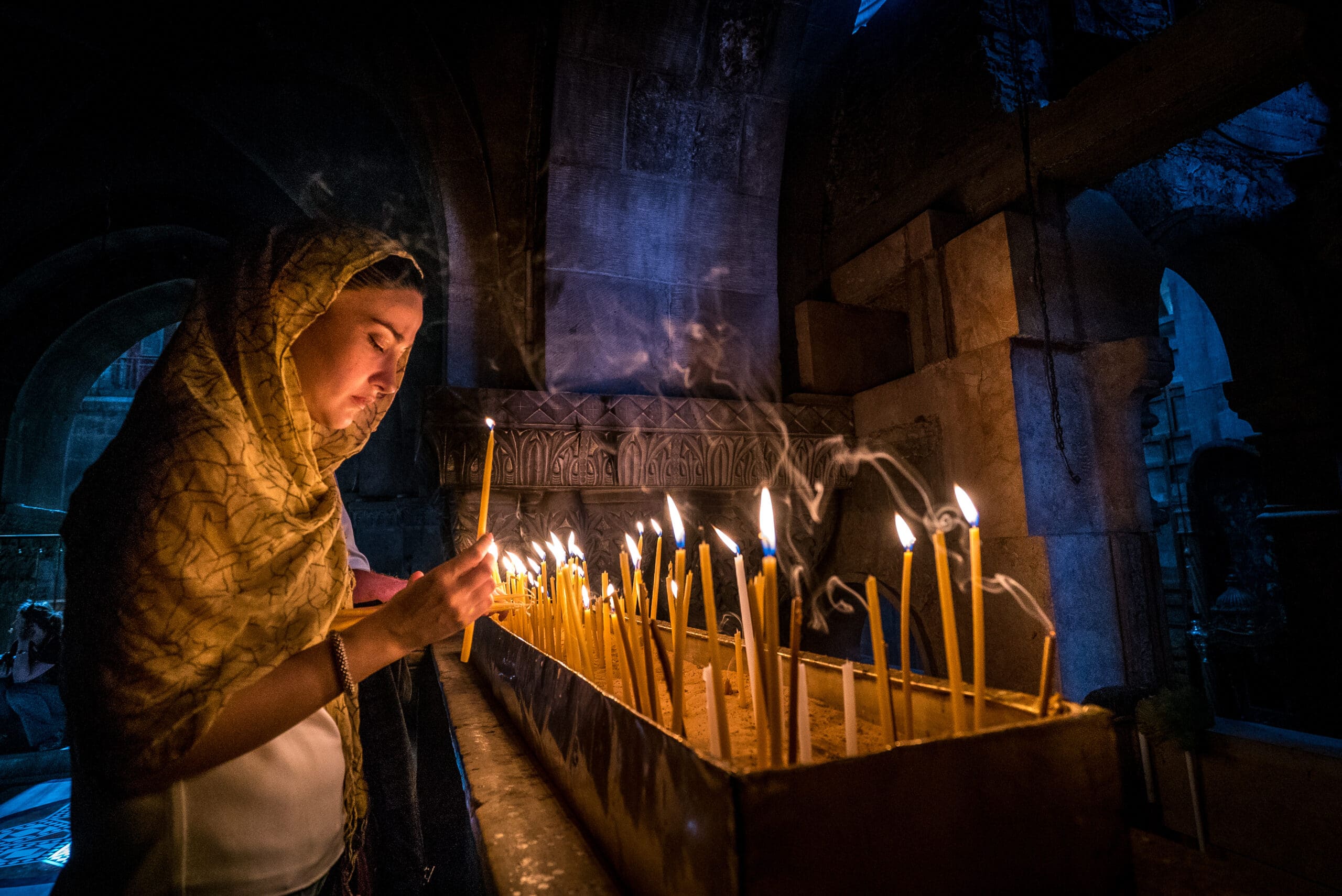
Abu Ghosh is one of the earliest areas of human habitation in Israel.
Abu Gosh is a Muslim Arab village with small Christian pockets, located just a few miles from Jerusalem, which has been inhabited for nearly 6,000 years. If historically, Christianity precedes Islam, Christian presence has not been continuous in this region.
The village was called Kiryat-Yaarim
In the Bible, this village is called Kiryat-Yaarim. The Ark of the Covenant remained at this location of Kiryat-Yaarim for about 50 years (1 Sam 6; 2 Sam 6). The Ark was here during the reign of the Prophet Samuel, King Saul and King David. In 1050 BC, after the defeat suffered by Israel at Apheq, the Ark of the Covenant was seized by the Philistines, but they suffered many hardships because of the Ark and had it taken back to Kiryat-Yaarim. In 1000 BC, during the first year of his reign King David came to Kiryat-Yaarim to fetch the Ark and carry it with him to Jerusalem, the city he had recently made the capital of his kingdom.
The Crusader church at the entrance to the village (now the Benedictine Monastery) is one of the best preserved Crusader remains in the country. The Hospitallers had built this late Romanesque/early Gothic church in 1140 and it was partially destroyed in 1187. It was acquired by the French government in 1899 and placed under guardianship of the French Benedictine Fathers. Since 1956, it has been run by the Lazarist Fathers. Today a double community of nuns and priests continue the worship in the church and offer hospitality, reflecting the ancient story of the couple on the Jerusalem–Emmaus road. Edward Robinson (1838) described it as "obviously from the time of the crusades, and [...] more perfectly preserved than any other ancient church in Palestine." Excavations carried out in 1944 confirm that the Crusaders identified the site as the biblical Emmaus. The church is now known as both Church of the Resurrection and Emmaus of the Crusaders.](https://aeternus.com/wp-content/uploads/2021/03/20160410__israel41038-scaled.jpg "Holy Land - Abu Ghosh")

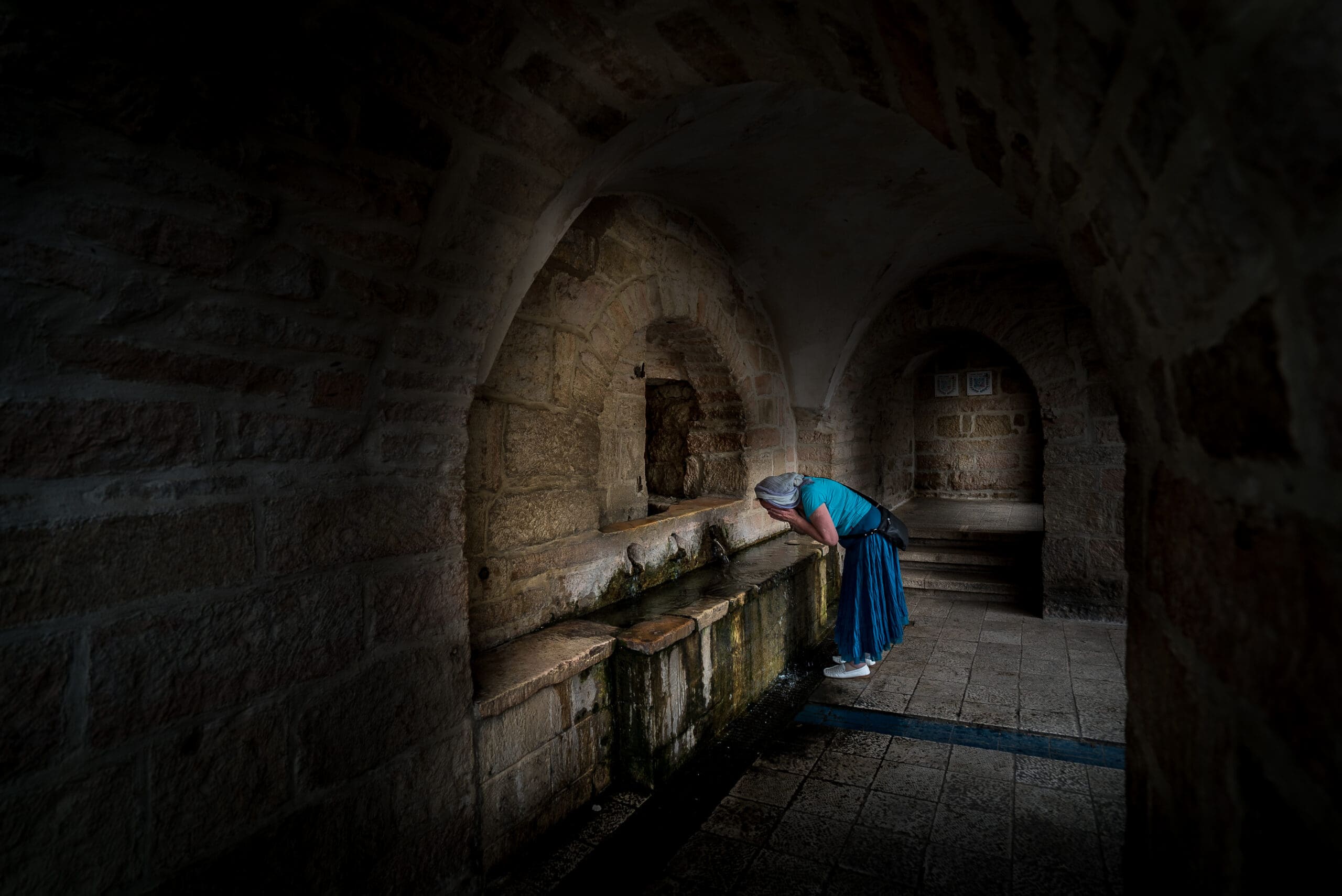
![Lisa Johnston | lisajohnston@archstl.org | Twitter: @aeternusphoto
Abu Ghosh is one of the earliest areas of human habitation in Israel.
Abu Gosh is a Muslim Arab village with small Christian pockets, located just a few miles from Jerusalem, which has been inhabited for nearly 6,000 years. If historically, Christianity precedes Islam, Christian presence has not been continuous in this region.
The village was called Kiryat-Yaarim
In the Bible, this village is called Kiryat-Yaarim. The Ark of the Covenant remained at this location of Kiryat-Yaarim for about 50 years (1 Sam 6; 2 Sam 6). The Ark was here during the reign of the Prophet Samuel, King Saul and King David. In 1050 BC, after the defeat suffered by Israel at Apheq, the Ark of the Covenant was seized by the Philistines, but they suffered many hardships because of the Ark and had it taken back to Kiryat-Yaarim. In 1000 BC, during the first year of his reign King David came to Kiryat-Yaarim to fetch the Ark and carry it with him to Jerusalem, the city he had recently made the capital of his kingdom.
The Crusader church at the entrance to the village (now the Benedictine Monastery) is one of the best preserved Crusader remains in the country. The Hospitallers had built this late Romanesque/early Gothic church in 1140 and it was partially destroyed in 1187. It was acquired by the French government in 1899 and placed under guardianship of the French Benedictine Fathers. Since 1956, it has been run by the Lazarist Fathers. Today a double community of nuns and priests continue the worship in the church and offer hospitality, reflecting the ancient story of the couple on the Jerusalem–Emmaus road. Edward Robinson (1838) described it as "obviously from the time of the crusades, and [...] more perfectly preserved than any other ancient church in Palestine." Excavations carried out in 1944 confirm that the Crusaders identified the site as the biblical Emmaus. The church is now known as both Church of the Resurrection and Emmaus of the Crusaders.](https://aeternus.com/wp-content/uploads/2021/03/20160410__israel41021-scaled.jpg "Holy Land - Abu Ghosh")